
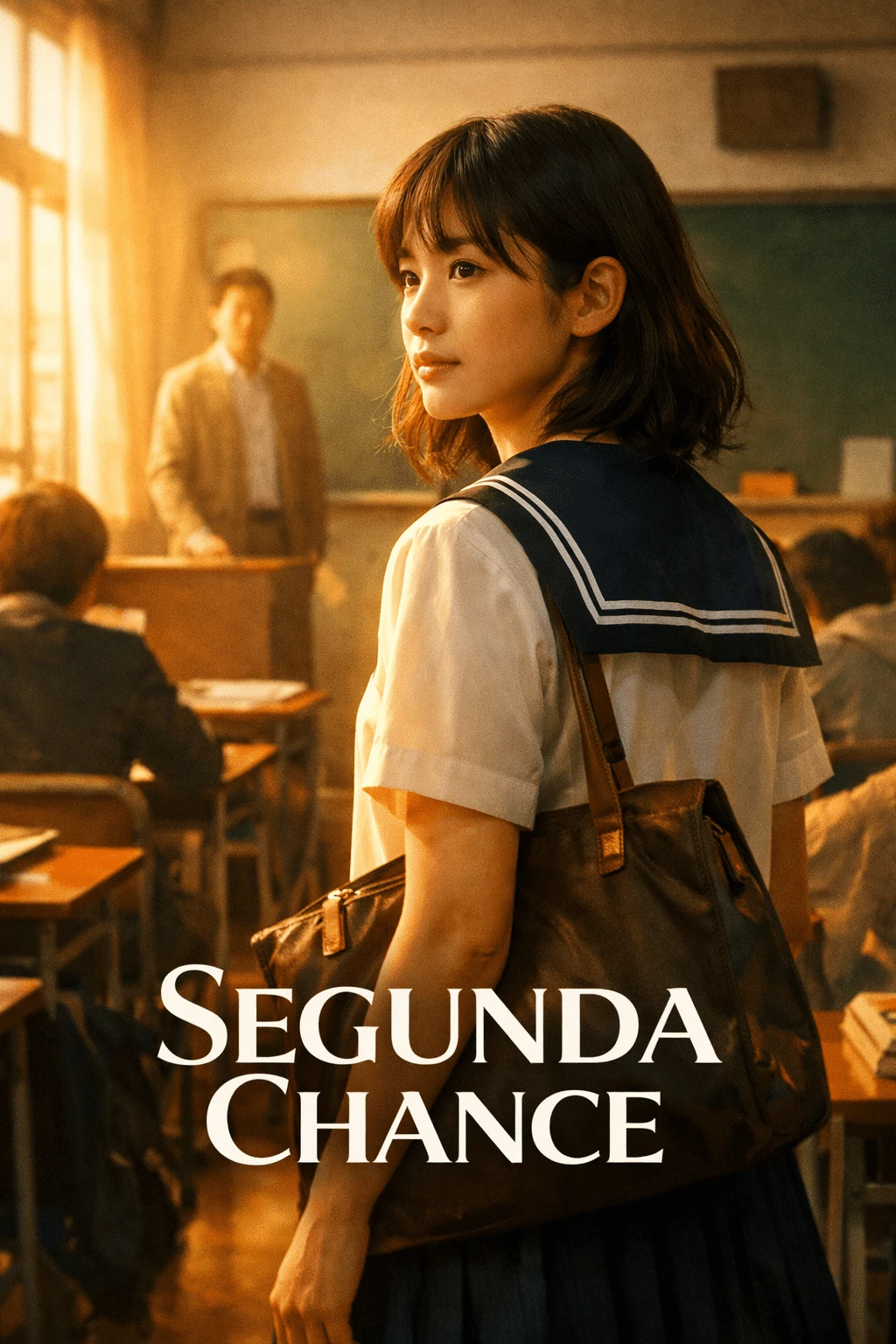
Second Chances: Exploring Redemption in Life
While I haven’t identified a specific Japanese series named “Second Chance” that aligns with the description provided, the theme of a woman revisiting pivotal life moments in search of redemption is closely mirrored in “Brush Up Life” (2023), a Japanese drama that adeptly delves into similar ideas. This analysis will explore both the thematic concept and the narrative opportunities that a series of this nature presents.
Advertisements
The Universal Concept of Second Chances
The idea of a woman receiving the opportunity to revisit an essential moment in her life encapsulates one of humanity’s greatest fantasies: the possibility to amend mistakes, make alternative choices, and seek forgiveness for past actions. This narrative foundation opens doors to exploring themes like fate versus free will, the significance of choices, and the transformative power of regret.
The path of self-discovery through the repetition of earlier experiences facilitates profound introspection regarding how seemingly minor decisions can lead to significant outcomes. Each attempt to relive the same time period provides chances for personal development, a deeper understanding of complex relationships, and the uncovering of hidden facets of one’s character.
Character Growth and Emotional Development
The evolution of the protagonist serves as the emotional core of this story. At first, she likely approaches her “second chances” with a mindset focused on mere corrections – altering specific actions to yield different results. However, true transformation occurs when she understands that redemption involves not just changing external events but also shifting her internal viewpoint.
The repetition of experiences allows for an in-depth examination of familial, romantic, and friendship dynamics. The protagonist can see how her prior actions influenced others, fostering empathy and understanding that were lacking in her initial encounters. This journey of self-awareness through repetition grants insights into behavioral patterns, defense mechanisms, and core values.
Inquiry into Philosophical Themes
A series built around this premise inevitably engages with profound existential inquiries. The cyclical storytelling enables the exploration of ideas such as karma, poetic justice, and the interdependence of human actions. The protagonist grapples with the question of how much change is feasible when one is aware of life’s “script,” pondering whether fate is predetermined or malleable.
The series also addresses the tension between acceptance and change. Not every aspect of life can or should be modified, and part of the journey is discerning what can be changed versus what must be embraced. This wisdom often holds greater value than simply having the chance to relive past events.
Relational Dynamics and Human Connections
The most poignant aspect of this premise lies in the chance to mend broken relationships. The protagonist can convey unexpressed affection, apologize for past hurt, and offer support during crucial moments that she initially overlooked. Such restorative interactions frequently carry more weight than significant plot alterations.
The series also investigates how foreknowledge of events can both facilitate and complicate relationships. The protagonist must navigate the balance between leveraging her knowledge to help others and preserving the authenticity of her connections. This careful interplay between benevolent manipulation and emotional transparency creates ongoing narrative tension.
Unforeseen Outcomes and Moral Complexity
A nuanced approach to this premise inevitably examines how seemingly beneficial changes can lead to unexpected consequences. The protagonist may discover that “correcting” one mistake introduces new challenges, or that certain hardships are essential for personal growth. This moral complexity elevates the narrative beyond mere wish fulfillment.
The series also delves into the burden of responsibility that accompanies foreknowledge. The protagonist wrestles with dilemmas surrounding intervention versus non-intervention, particularly when she foresees future tragedies impacting others. This added moral weight enhances the psychological tension within the narrative.
Fantasy Elements and Emotional Realism
Though the premise is fantastical, the series’ emotional resonance stems from its commitment to psychological realism. The emotions, relationships, and personal evolution must feel genuine, even within a supernatural framework. This blend of fantastical elements with emotional authenticity is characteristic of the finest Japanese dramas that tackle similar themes.
The series likely incorporates elements of magical realism, wherein supernatural features are treated as a seamless part of the story. This approach keeps the focus on the protagonist’s emotional growth while accepting the fantastical premise as an essential catalyst.
Prospects for Catharsis and Resolution
The ultimate aim of this journey is to achieve true catharsis – not just for the protagonist but also for the audience who resonates with her regrets and aspirations for redemption. A gratifying resolution doesn’t necessarily mean “fixing” everything, but rather finding inner peace and acceptance of the choices made.
The series conveys the hopeful message that it is never too late for personal growth and that redemption is attainable even for those weighed down by significant regrets. This universally relatable theme is what makes “second chance” narratives so impactful and emotionally resonant.
Cultural and Universal Significance
In the context of Japanese culture, themes of redemption and personal growth through repetition resonate with Buddhist notions of rebirth and karma. Nevertheless, the universal nature of human regret and the yearning for second chances render the narrative pertinent to audiences worldwide.
The series acts as a meditation on the nature of personal transformation and the potential for change at any stage of life. This message of hope and renewal is particularly relevant in societies that emphasize the significance of “correct” choices during youth.
Concluding Thoughts
A series that delves into the concept of a woman revisiting significant life moments offers a rich narrative canvas for exploring deeply human themes. The integration of fantastical elements with emotional realism, character development through repetition, and the universal quest for redemption crafts a premise with the potential for profound emotional resonance.
The success of such a narrative hinges on its capacity to harmonize the fantastical with emotional truth, providing genuine insights into personal evolution and human connections. When handled with sensitivity and depth, it can yield a viewing experience that not only entertains but also offers valuable perspectives on the essence of change and personal redemption.