
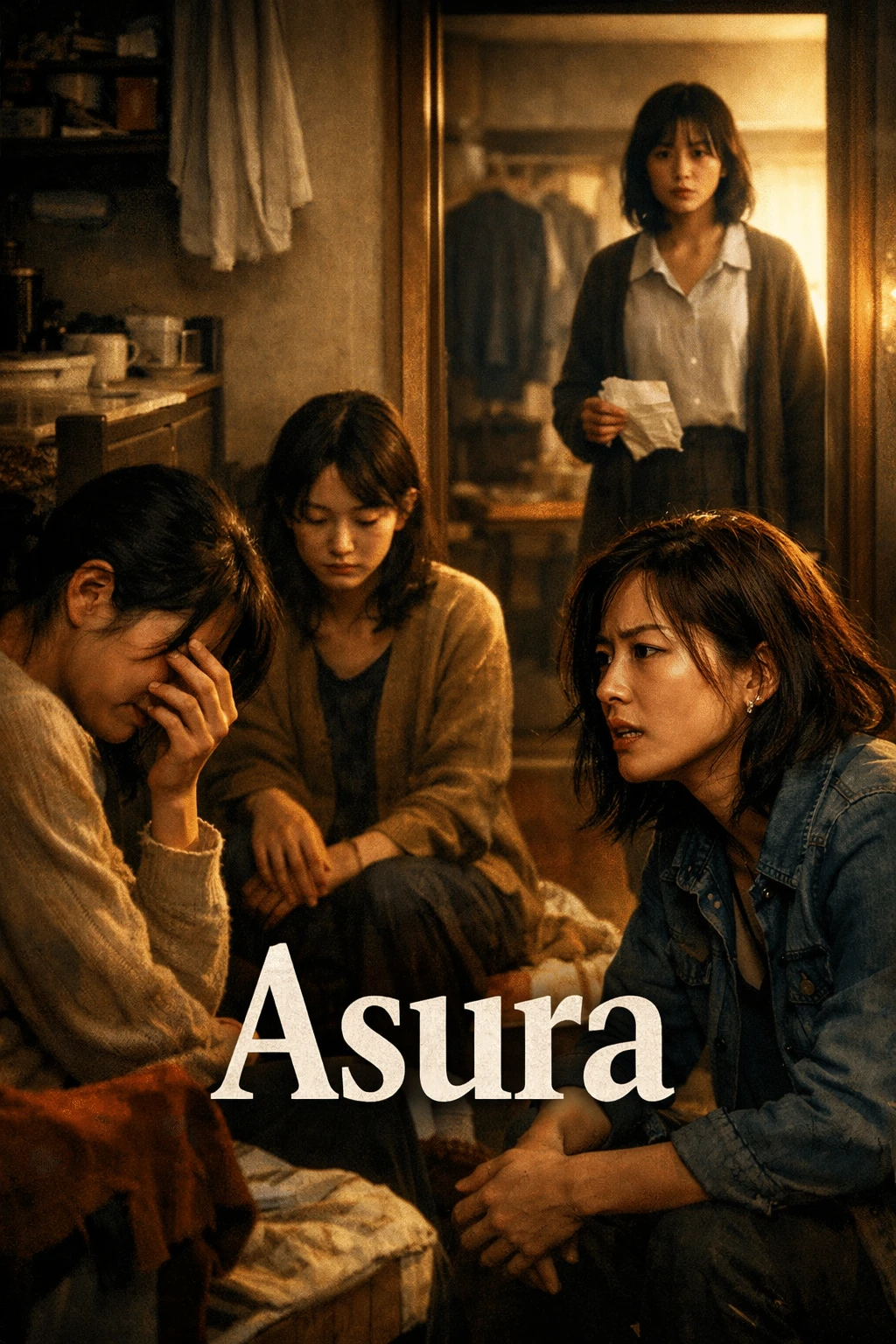
Asura: A Deep Dive into Modern Japanese Family Life
Advertisements
Directed by the esteemed Hirokazu Kore-eda, “Asura” stands as yet another remarkable work from the Japanese director, showcasing a nuanced and profound representation of familial relationships. The narrative centers on four sisters whose lives take a dramatic turn following the revelation of their father’s infidelity, prompting a thoughtful exploration of the foundations that uphold familial bonds.
Plot and Composition
Kore-eda weaves the story with his signature meticulous touch, crafting each character with intricate layers that unfold gradually. The revelation of paternal betrayal is not merely a plot twist, but a springboard for universal inquiries into trust, forgiveness, and the varying interpretations of familial affection. Each sister’s unique response to the discovery reflects their individual personalities and distinct life phases.
Direction and Cinematic Aesthetics
The filmmaker retains his reflective and realistic approach, employing extended shots and thoughtful compositions that highlight subtle gestures and poignant silences. Kore-eda’s camera operates almost as an additional family member, capturing intimate moments without intruding. The gentle cinematography and subtle color scheme foster an atmosphere of subdued melancholy, a hallmark of the director’s artistry.
Core Themes
The narrative extends beyond the initial theme of betrayal to delve into wider issues regarding human nature and familial connections. The concept of loyalty is explored through various lenses: between spouses, from parents to children, and among siblings. Forgiveness is depicted as a nuanced and personal journey rather than a simple resolution. Kore-eda subtly touches upon societal pressures regarding family structures and the evolving role of women in modern Japan.
Acting and Character Evolution
The performances are natural and compelling, steering clear of melodrama for a more genuine effect. Each sister is depicted with her own complexities and desires, evolving into relatable characters for the audience. The father, although physically absent from the narrative, remains a pervasive influence through the daughters’ responses and recollections.
Key Moments
The primary strength of “Asura” lies in its ability to elevate an ostensibly ordinary scenario into a profound contemplation of the human experience. Kore-eda refrains from simplistic moral evaluations, opting instead to portray the intricacies of human emotions with stark honesty. The gradual escalation of emotional intensity is expertly crafted, leading to moments of catharsis that feel authentic and earned.
Concluding Thoughts
“Asura” reaffirms Hirokazu Kore-eda’s skill in crafting family dramas that resonate on a universal level, despite their culturally specific elements. The film serves as both an intimate glimpse into a family in turmoil and a broader reflection on the connections that define and unite us. It is an essential viewing for fans of modern Japanese cinema and for those who appreciate narratives that emphasize psychological richness over conventional dramatic techniques.
The nuanced direction, genuine performances, and thoughtful engagement with complex themes position “Asura” as another significant entry in Kore-eda’s impressive filmography, solidifying his status as one of the keenest observers of the human experience in contemporary cinema.